
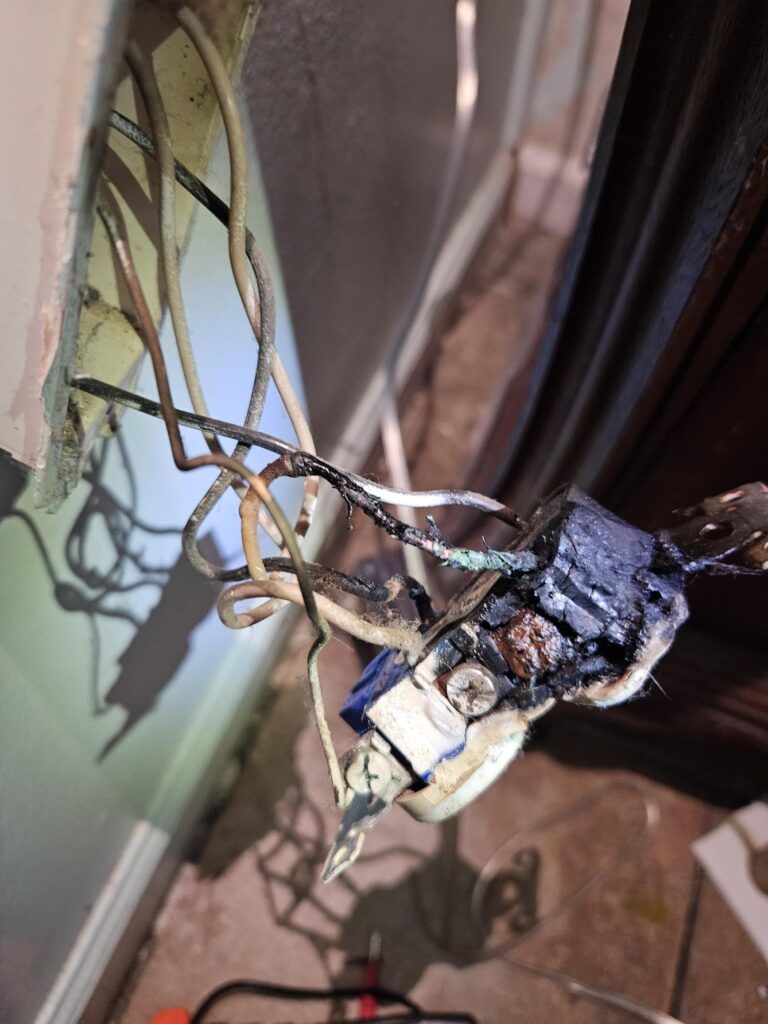
Some electrical problems are easier to spot than others, like tripping breakers or flashing lights. Other times, the problems are sneakier and you might not realize something’s wrong until it’s too late. One of those tricky problems? Backstabbed outlets. Often, you won’t know you have backstabbed outlets until you smell burning plastic or end up with an electrical fire.
What Are Backstabbed Outlets?
Most receptacles have a screw on either side of it. Ideally, the wires providing power to your outlet would be connected to these screws, but that’s not always the case. When electricians decide to take shortcuts to save time, they “stab” the wires into holes in the back of the receptacle instead.
Why Are Backstabbed Outlets Bad?
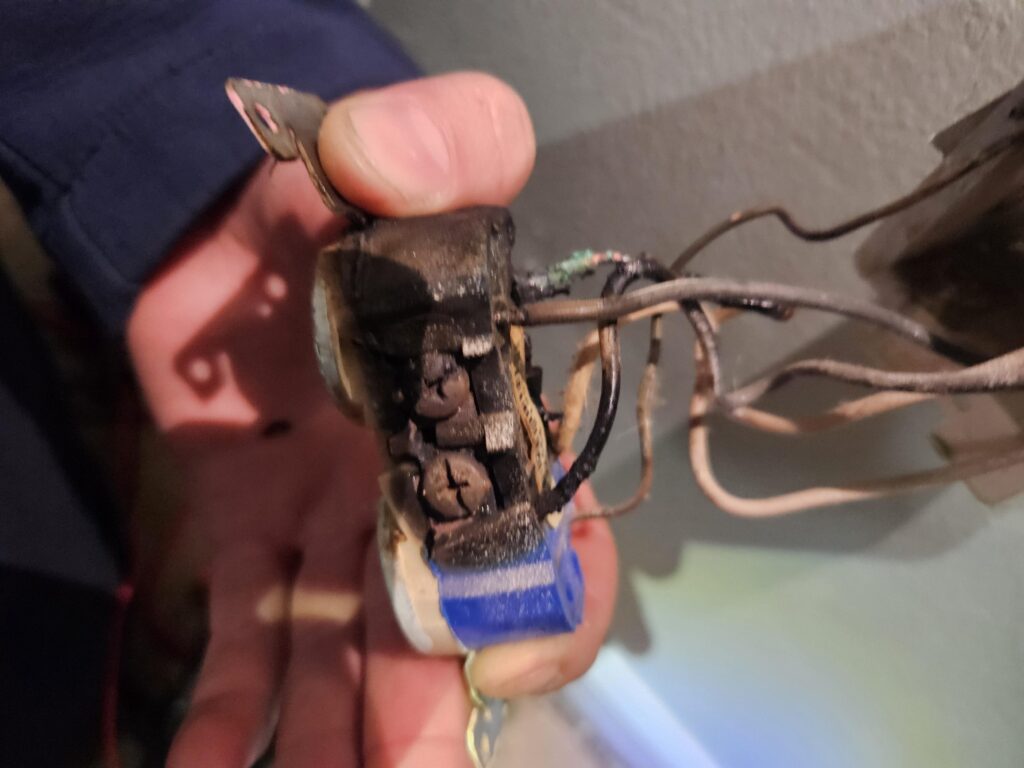
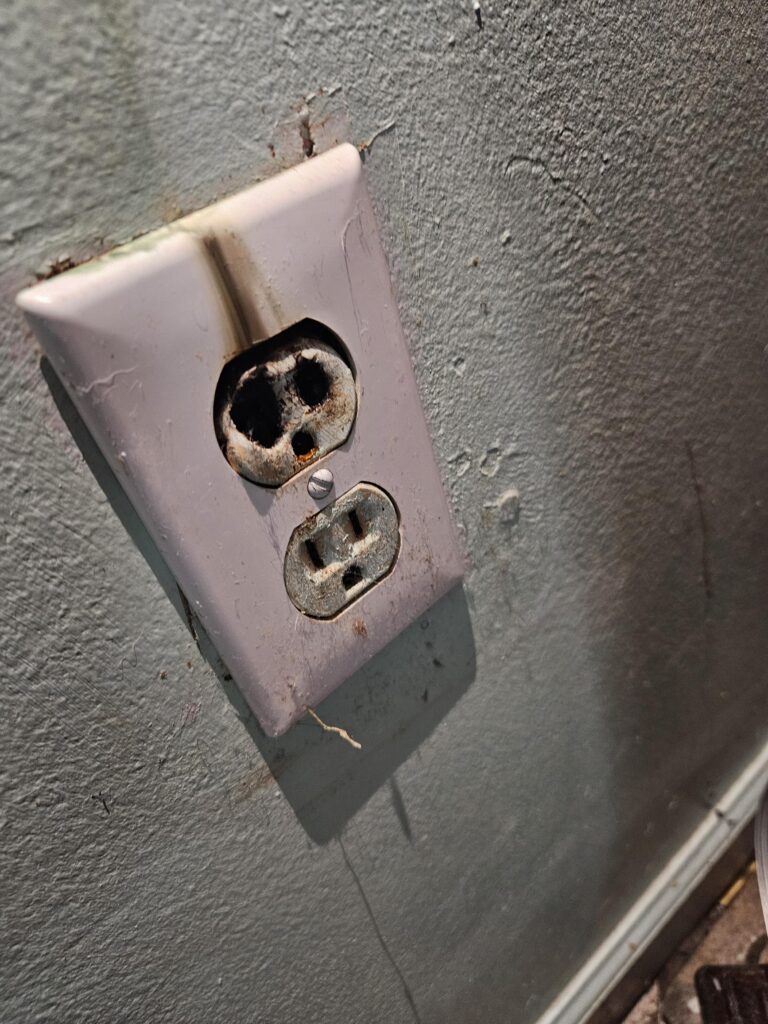
When the wires are stabbed into the back of a receptacle, over time, they start to wiggle loose. This is especially true if it’s an outlet you use often! Plugging and unplugging cords can eventually loosen the wires hanging out the back of the receptacle. When that happens, the outlet can start to melt! You may notice burning smells or melting plastic smells. Not only could you have outlet damage, but you could end up with power loss or even electrical fires!
Why Do Some Homes Have Backstabbed Outlets?
Some electricians backstab outlets because it’s faster than anchoring wires to the screws on receptacles. When electricians are wiring an entire new construction home, those few minutes per outlet can add up. Backstabbed outlets were introduced in the 70s and 80s, but they’re super common in newer home builds. Technically, it’s not against code to backstab outlets, but it’s a bad practice because it doesn’t hold up long term. None of our electricians will backstab outlets because we don’t believe in shortcuts!
How to Tell if You Have Backstabbed Outlets
The only way to know for sure if you have backstabbed outlets is to take the cover plate of the outlet off and look at where the wires are connected. We can send one of our electricians to your home to check for you and help come up with an EASY plan to get your home powered up SAFELY. If you prefer to check the outlets yourself, please make sure to use your circuit breaker to switch off power to any outlets you check. Then, remove the cover plate, unscrew the outlet, and carefully inspect the back for wires hanging out. If you have one backstabbed outlet, the odds are high that ALL of your outlets are backstabbed.
How to Fix Backstabbed Outlets
If your home has backstabbed outlets, we can come out and connect the wires in your receptacles the proper way (by attaching them to the screws on the sides of the receptacles). Occasionally, your home may have receptacles without those screws. This is most common in receptables from the 70s and 80s. If that’s the case with the outlets in your home, the only solution is replacing the receptacle itself (which it’s probably time for anyways if your home is from that time period!).
Keep Your Home Powered Up Safely with Morris-Jenkins
When you have Morris-Jenkins out to install or repair receptacles in your home, rest easy knowing we’ll always do things the right way, not the easy way! We don’t believe in backstabbing outlets because that puts your family at risk of power outages and fires. It’s better for us to spend a little extra time doing things the right way so your family can plug devices and appliances in for years to come without stress.
Do you think your home might have backstabbed outlets? Give us a call and we can make sure your home stays powered up safely!