How Much of Your Home Do You Wanna Power Up in an Outage?
Before figuring out what kind of electrical panel set-up makes sense for your home, you need to figure out how you’d like to have backup power. Do you want to keep as much running in your home as possible? Or do you only care about the necessities?
When you’re looking to power your home in an outage but still save money, you need a way to power the things that matter most, instead of your entire home. While Morris-Jenkins does install whole-home generators, we can also help you keep just the most important things running!
There are three main electrical panel upgrades used by people wanting to use a generator to power up the most important things in their home: an essential loads panel, a generator interlock, and an Eaton Smart Panel with SPAN Energy Intelligence.

What Is an Essential Loads Panel?
For years, homeowners used essential loads panels to keep necessities running during power outages. Typically, all of your electronics and appliances get power from your main electrical panel. When you have an essential loads panel, your essentials (like the refrigerator, freezer, lights, internet, and maybe even your heating and cooling system) are moved to a smaller panel. Then, your home standby generator is connected to the essential loads panel (that smaller panel with all your necessities). When your power goes out, that panel is gonna get powered back up by your generator to keep important things in your home running!
What Is a Generator Interlock?
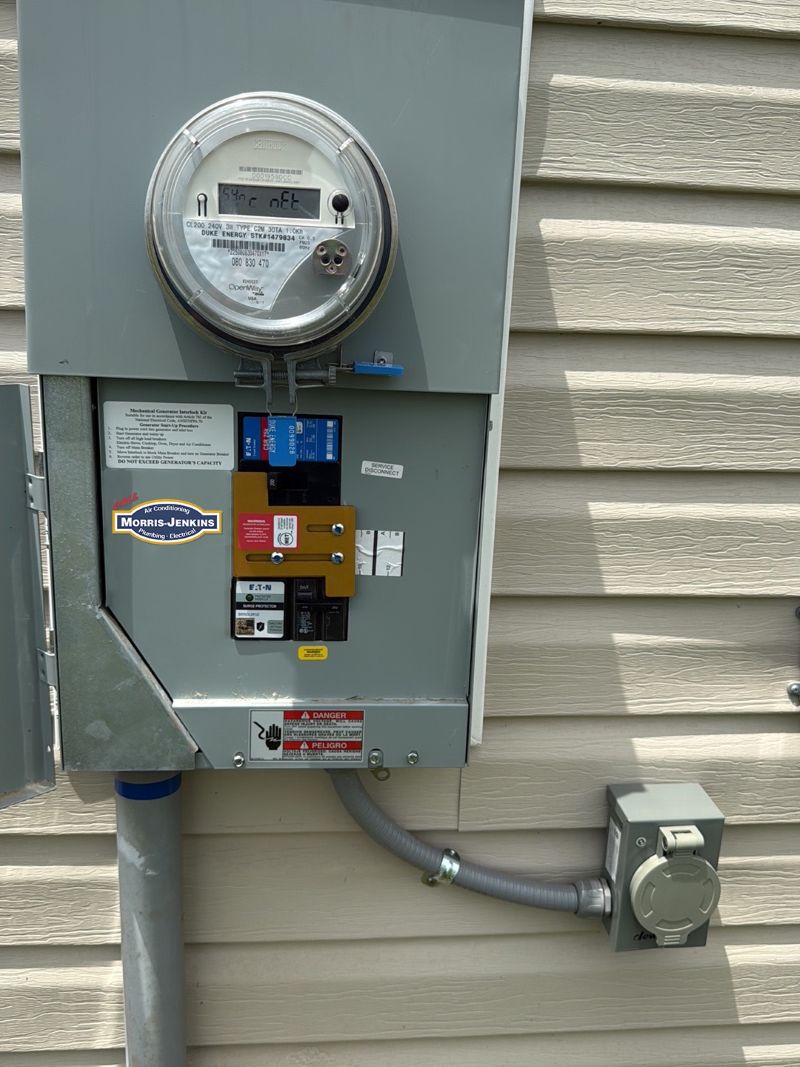
Unlike an essential loads panel, a generator interlock is not a panel. It’s a device installed on your electrical panel instead! Remember when we said an essential loads panel has certain electronics in your home wired to it specifically to power just those things in an outage? When you have one installed, your decisions on what essentials are powered up is pretty much permanent. With a generator interlock, you get to pick and change which things you want powered up during an outage, which gives you flexibility to change your mind. However, these are used with portable generators, not standby generators. This means you’ll have to be careful to manage what’s getting powered up carefully so you don’t overload your generator. Not only that, but portable generators take more work when you need to give your home power.
How Are Portable Generators Different from Standby Generators?
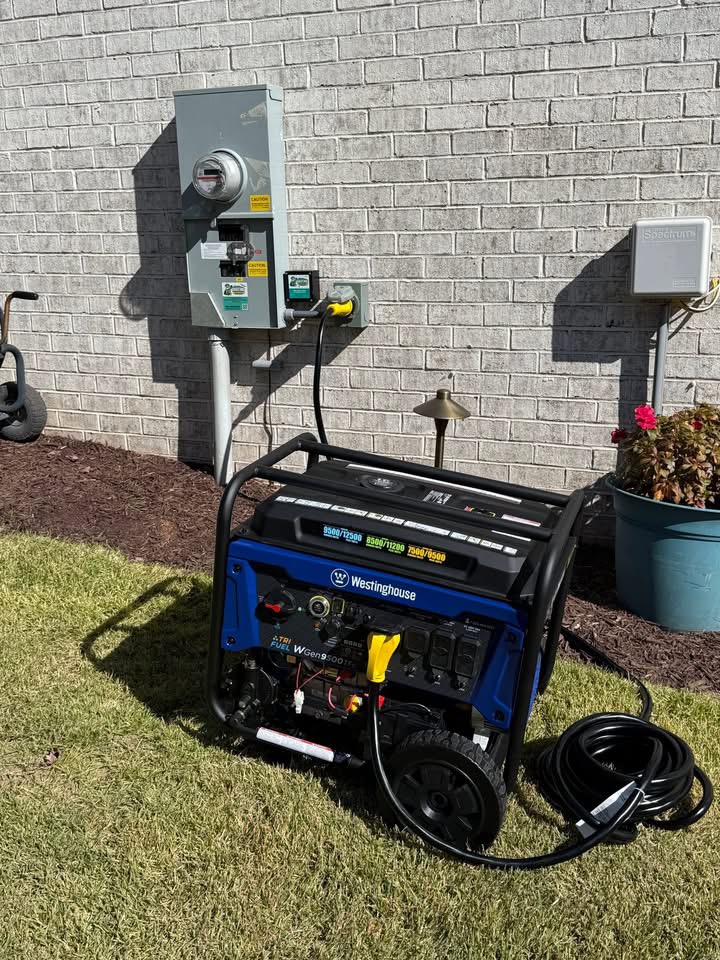
Portable generators can be bought at your local hardware store and stored away when not in use, but they require more effort on your part than standby generators. When there’s a storm or power outage, you’ll need to move your generator outside, start it manually, and connect to your home’s power with a heavy-duty generator cord. Usually, they require gas to run, and you’ve gotta shut them down and refill them. You cannot run these inside your home or garage, even with the garage door open! They produce carbon monoxide, which is a deadly gas you can’t see, taste, or smell. That’s why it’s so important you only use it outdoors and keep it far enough from your home so that carbon monoxide doesn’t get in.
Standby generators are installed by professionals like Morris-Jenkins! It’s a permanent addition to your home, and it makes it EASY to get your home powered up in an outage. When your power goes out, your standby generator will start automatically. You don’t need to do anything!
What Is a SPAN Panel?
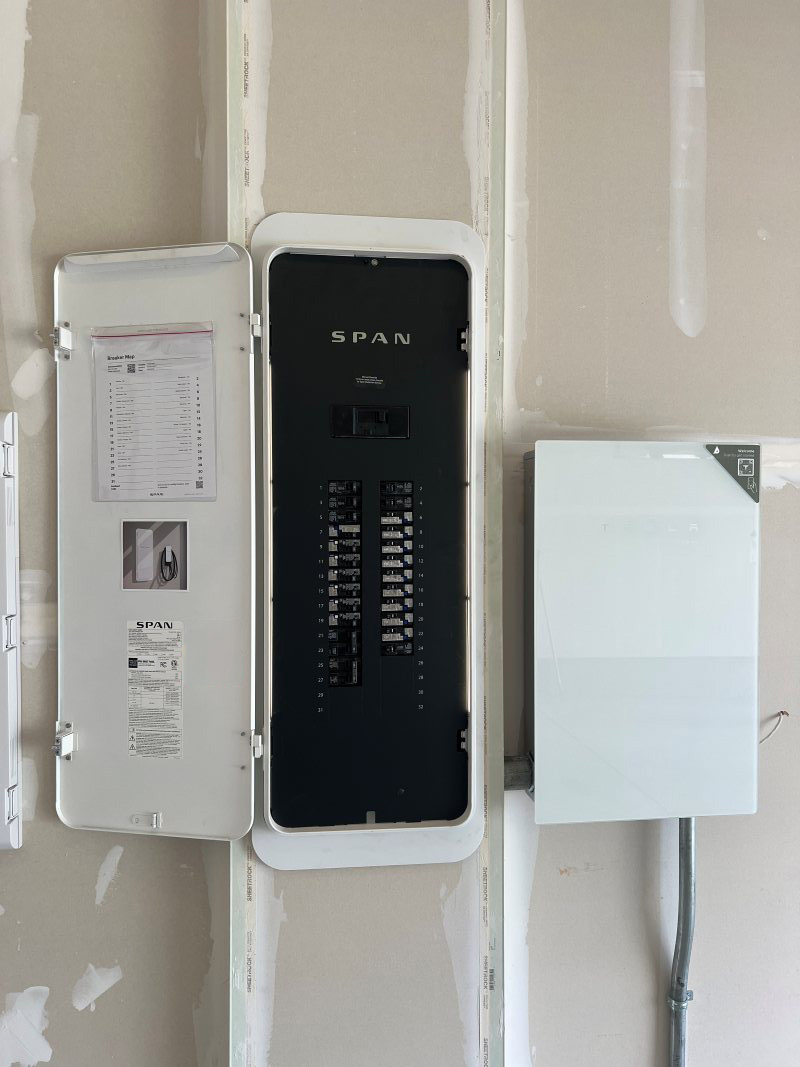
A SPAN panel helps your home manage electrical usage from day-to-day. Unlike your normal electrical panel, it monitors and controls individual circuits. This means you can keep an eye on how your home uses electricity! So, instead of only seeing your monthly total on your electric bill, you can see how much was used by your air conditioner, water heater, dryer, or even electric vehicle charger.
SPAN panels pair well with standby generators because they give you the flexibility to change priorities with what gets powered up. When you have an essential panel, you’re stuck with whatever you have set up to get powered in an outage. With a SPAN panel, you can use an app to change what you wanna focus your backup power on.
These panels are great for helping with your family’s power needs today, while also prepping your home for future power (such as EV charging, battery storage, solar, and more).
How to Decide the Best Way to Power Your Home
If you want a cheaper, more short-term solution to keep your power running in a storm, a simple portable generator and generator interlock might be the best move for your family. If you prefer an easier, more hands-off approach, a standby or whole-home generator with either an essential loads panel or SPAN panel would make a huge difference for your family in storm season!
While we know all these options can be a bit overwhelming, we make it EASY to get the electrical help you need. If you want help figuring out the perfect solution for your family’s unique needs, give Morris-Jenkins a call! We can send an electrical expert out to talk to you about how your family uses power and what could really benefit your home before the next power outage.